
Waldorf Education weaves the arts, music, and movement into the very fabric of every student’s daily life. An interdisciplinary approach to both our main lessons and specialty subject areas ensures that our curriculum remains fresh, engaging, and deeply meaningful. In every classroom, we continually spark creativity and imagination within each individual child. This intentional journey begins in first grade, when students connect with the subject and classroom teachers who will accompany them through their foundational early elementary years.

Foreign Languages
In grades one through three, children learn languages exclusively through an oral approach. Early lessons utilize songs and poetry to introduce basic communication skills naturally. As students progress, they expand their knowledge by learning about regional customs and daily lifestyles. Throughout their early elementary years, students actively practice their language skills through speaking, skits, group games, and interactive storytelling.

The Purpose of Handwork
handwork is purposefully infused into our curriculum from an early age. Children begin with finger knitting and progress to simple, age-appropriate hand-sewing projects. As our students grow, the handwork curriculum keeps pace, introducing increasingly complex skills like casting on, knitting, and crocheting. Every project scaffolds relevant academic concepts and naturally reinforces the vital skills students need for classroom learning, including fine-motor strength, hand-eye coordination, sustained focus, and deep attention.
Building Life Skills and Competency
As part of this experiential learning, students complete meaningful, individual projects over the course of the school year. Engaging deeply with their projects gives children a profound sense of personal competency and tangible mastery over their environment. By learning a useful craft from raw materials, students naturally discover how to work through creative challenges, developing invaluable patience, resilience, and practical life skills that serve them far beyond the classroom walls.
The Role of Music
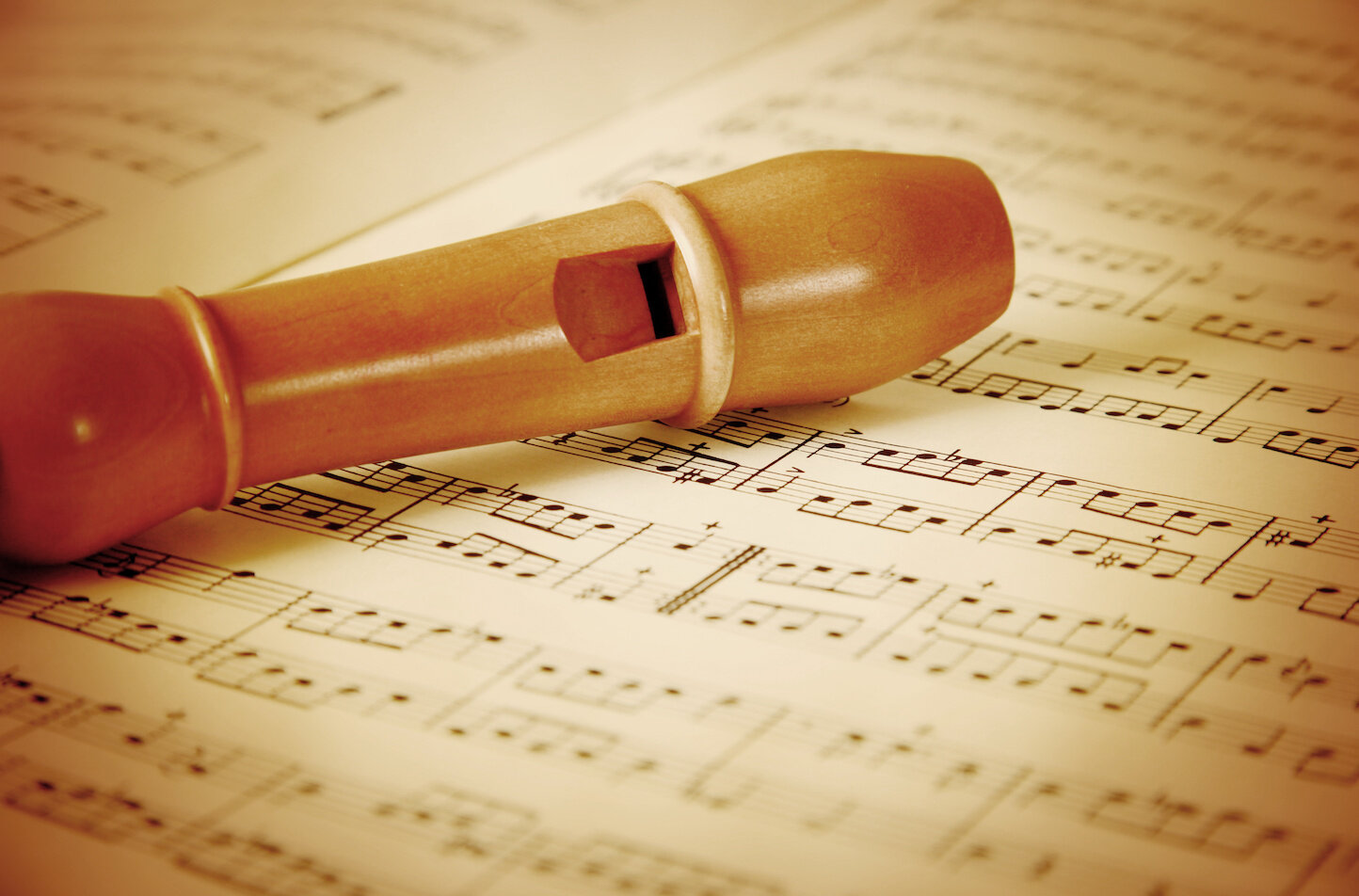
Our educators hold a deep appreciation for music and purposefully inspire students to develop their own lifelong love for the art. Rather than treating music as an isolated subject, we embed it directly into the daily life and routines of our students. Singing, poetry, rhyming, and rhythmic building exercises abound at every grade level, serving as a vibrant bridge for learning language, mathematics, and creative expression.
Musical Evolution: Early Childhood to Elementary
Early Childhood: Daily classroom transitions are beautifully marked by teacher-led songs and the gentle, soothing notes played on a lyre or chime.
First Grade: Students are introduced to the wooden pentatonic flute, learning to translate their breath into beautiful, harmonious tones.
Second and Third Grade: Children progress to the soprano recorder, advancing their ear training, rhythmic skills, and music literacy.
Physical Education
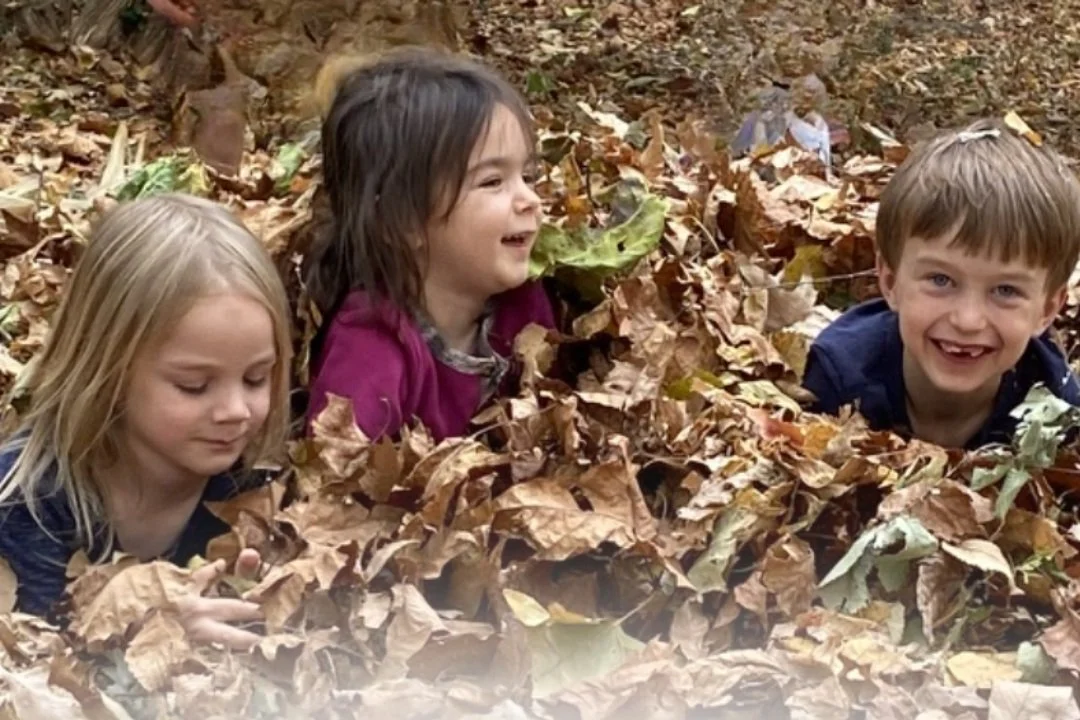
Movement is designed to cultivate healthy, lifelong habits of movement and physical well-being. In the early grades, our physical education curriculum focuses on cooperative group games. Rather than emphasizing competition, these games use imaginative stories to keep children joyfully engaged while naturally developing fundamental skills like balance, spatial awareness, and agility. Through structured play, students learn invaluable life lessons in taking turns, encouraging their peers, and giving their personal best.
Special Movement Blocks: Eurythmy & Circus Arts
To round out our physical development program, the curriculum incorporates dedicated eurythmy blocks and developmental circus arts. Eurythmy introduces a unique, expressive movement form that brings harmony, rhythm, and coordination to the developing child. As students reach Third Grade, they are introduced to early circus arts, including beginner juggling. These specialized movement lessons build core physical strength, foster exceptional concentration, and instill an enduring sense of confidence in each child's physical capabilities