
A holistic approach to learning in preschool and kindergarten lays the groundwork for elementary school, fostering confident, curious, and eager learners, one building block at a time.
In Beverly Cleary’s classic children’s book Ramona the Pest, Ramona learns to sing “The Star Spangled Banner” in school. When she comes home, she asks her puzzled father to turn on the “danzer” to give a “lee light.” It turns out that Ramona has mistaken the words in the line “the dawn’s early light,” to the amusement of her father and her sister Beezus.
It’s the type of silly childhood mixup that Cleary captures so well. It’s also an illustration of how phonemic awareness informs early literacy. Before children can read and write, they must learn to listen. They must be able to recognize words and understand their meaning, distinguish between sounds like a “p” and a “b,” and know how to follow a narrative in a sentence and story.
While skills like phonemic awareness are essential to early reading, many preschool and kindergarten programs rush through these types of foundational experiences in the race to begin formal academic instruction—even though there’s evidence that early academics often provide no meaningful benefit over the long term. Some studies even show that gains from academically focused preschool disappear within a few years, while negative social and behavioral consequences from missing opportunities to develop these important pre-academic skills persist.
At the Waldorf School of St. Louis, we don’t rush childhood. Drawing on a deep understanding of human development, our teachers allow children space and time to reach important cognitive and physical milestones while simultaneously teaching them key skills that will help them succeed in elementary school and beyond.
Social-Emotional Maturity
“Cognitive, emotional, and social capacities are inextricably intertwined throughout the life course,” write researchers at Harvard University’s Center for the Developing Child in a recent brief on early childhood. “Emotional well-being and social competence provide a strong foundation for emerging cognitive abilities, and together they are the bricks and mortar that comprise the foundation of human development.”
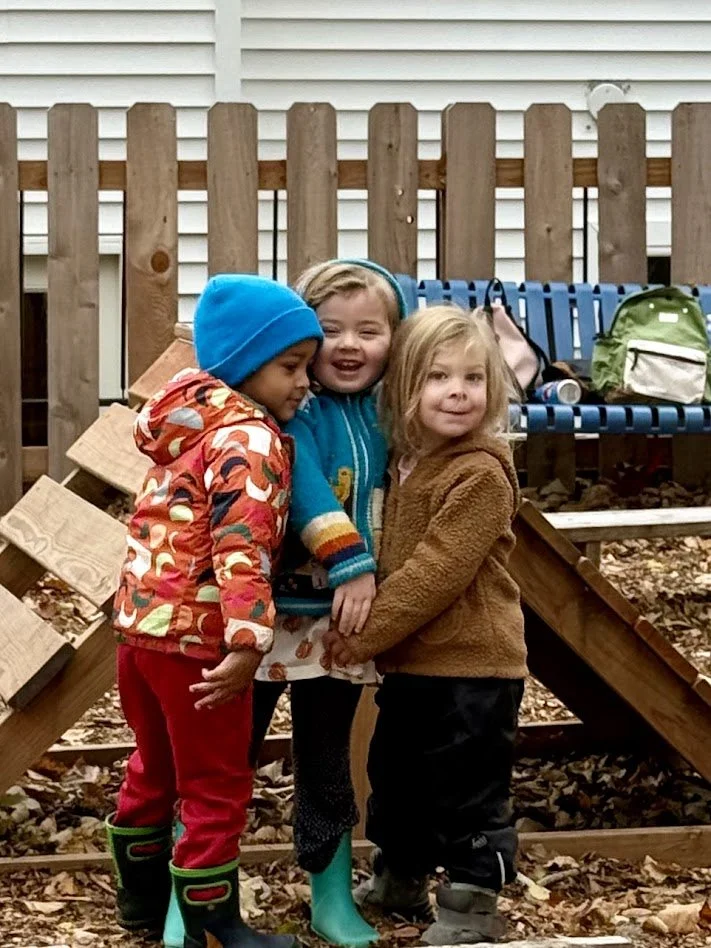
This holistic perspective mirrors the Waldorf approach to education. Starting in preschool, our classrooms are inherently social and collaborative, designed to encourage strong bonds between teachers and students, as well as healthy peer-to-peer relationships. Teachers engage the class in songs, movement, and collaborative games that encourage social harmony and emotional connection between students. At the same time, adults consistently model social competencies like patience, active listening, and compassion.
Most importantly, children in our early children program build their social skills through unstructured playtime, which forms a large part of every school day at the Waldorf School of St. Louis. Through play, children develop their most advanced social skills, including an ability to cooperate, collaborate, communicate, and resolve conflicts with their peers, in addition to building their own capacity for emotional regulation. Play teaches children to take risks, recover from setbacks, and try again—building resilience and perseverance.
Foundational Literacy Skills
At the Waldorf School of St. Louis, we believe that literacy education goes well beyond the nuts and bolts of learning to read and form letters. In our elementary school program, children listen to stories and folk tales, read and write across disciplines, recite verses, imagine and illustrate their own stories, and perform in plays. Through these diverse experiences, students develop a love for and facility with language and stories helping them become capable and confident readers and writers.
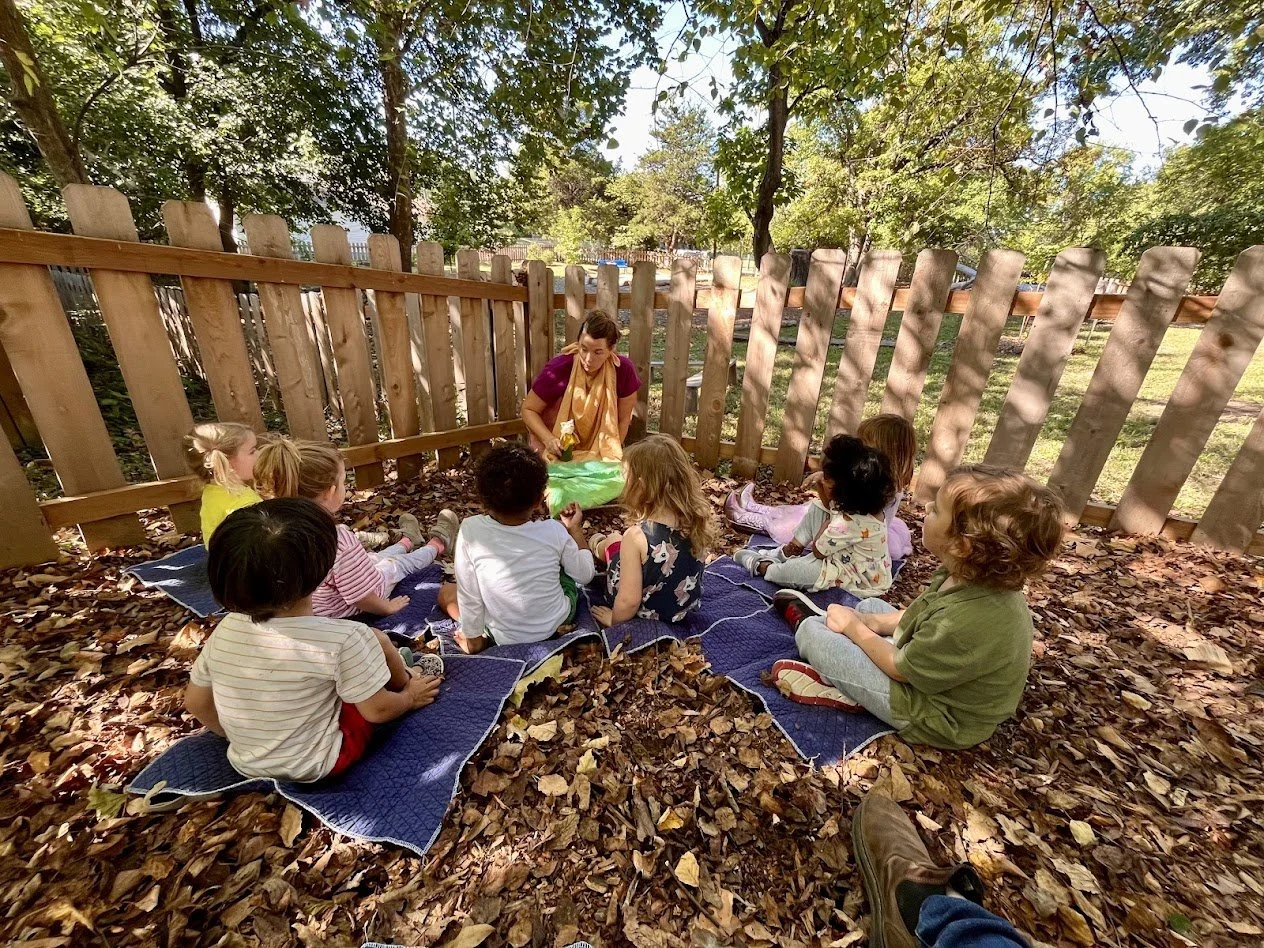
To lay the groundwork for this rich encounter with language, our literacy program begins in preschool and kindergarten, where the classrooms are filled with high-quality language. Every day, teachers bring complex and fluent language to the classroom through stories, fairy tales, poems, songs, and puppet shows. As research shows, young children build a wide range of literacy skills from story time, including vocabulary, syntax, and narrative structure, among other foundational skills. Of particular note, listening to stories also supports the development of mental picturing skills, which are deeply linked to early reading success.
In addition to guided stories and experiences, free social play gives children meaningful opportunities to use, practice, and experiment with language. In fact, children use their most advanced language skills while playing, which in turn supports the rich language environment in our early childhood classrooms.
Foundational Math
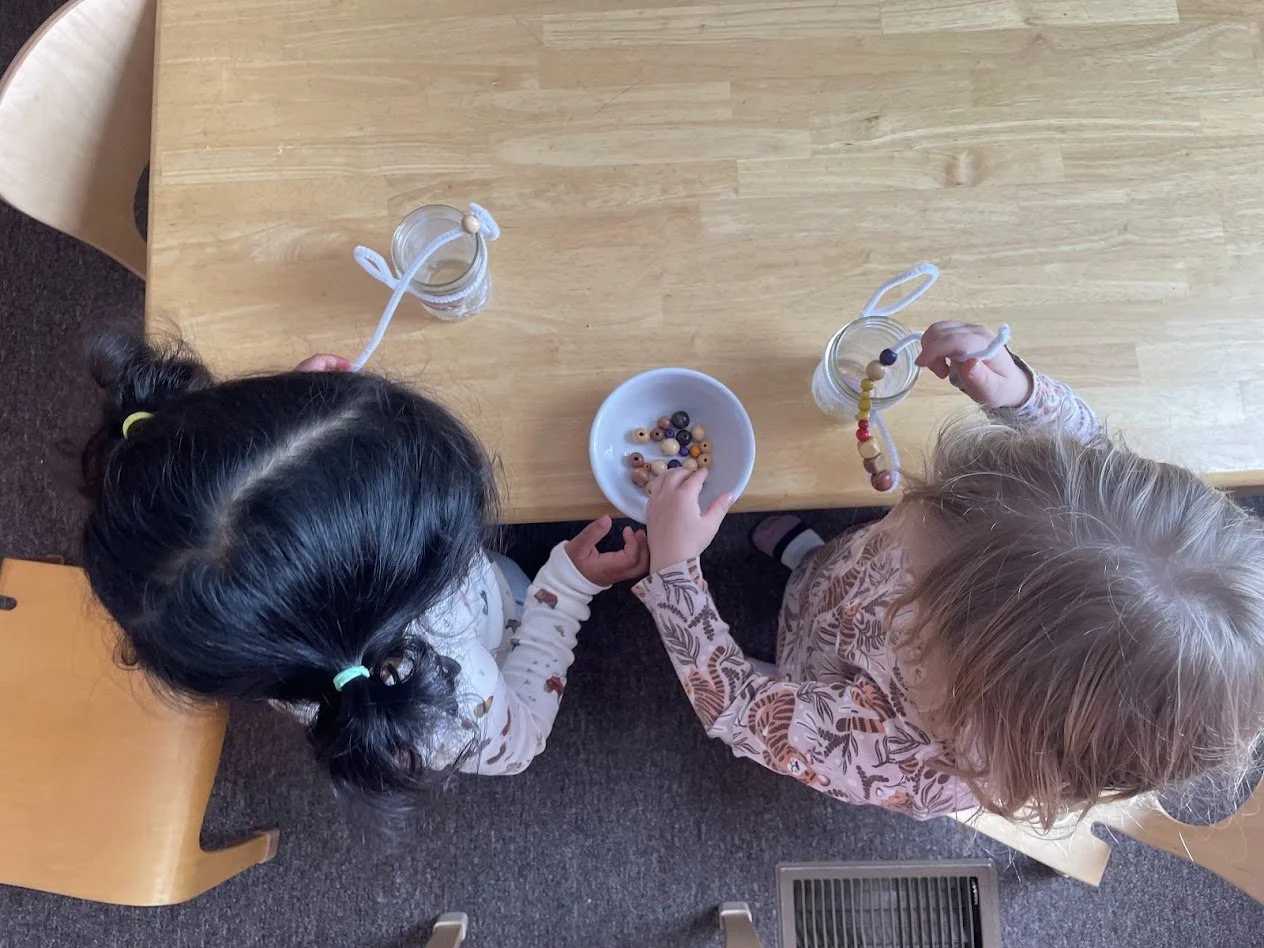
Long before they can recognize the symbols on a number line, young children are capable math learners. In fact, studies have found that children demonstrate innate understanding of basic mathematical concepts like pattern recognition, sorting, classification, logic, comparison, spatial relationships, counting, and numeracy.
At the Waldorf School of St. Louis, our preschool and kindergarten teachers carefully encourage the young child’s natural math capabilities. During circle time, students are asked to clap and stomp along to the rhythm of songs, encouraging their understanding of measures, beats, and intervals. Teachers assign chores, like setting the table for the class at snack time, reinforcing basic numeracy, counting skills, and classification in a manner and context that is natural, joyful and meaningful. Artistic projects, like drawing and finger knitting, also help children build a sense of symmetry and patterns.
Even in free play, children are building important skills in mathematical reasoning. By exploring the world around them, our students develop an understanding of basic mathematical concepts like less vs. more, volume, weight, and classification. Researchers at Johns Hopkins have even found that free play with simple wood blocks and Legos can help children develop crucial spatial reasoning capacities.
Physical Readiness
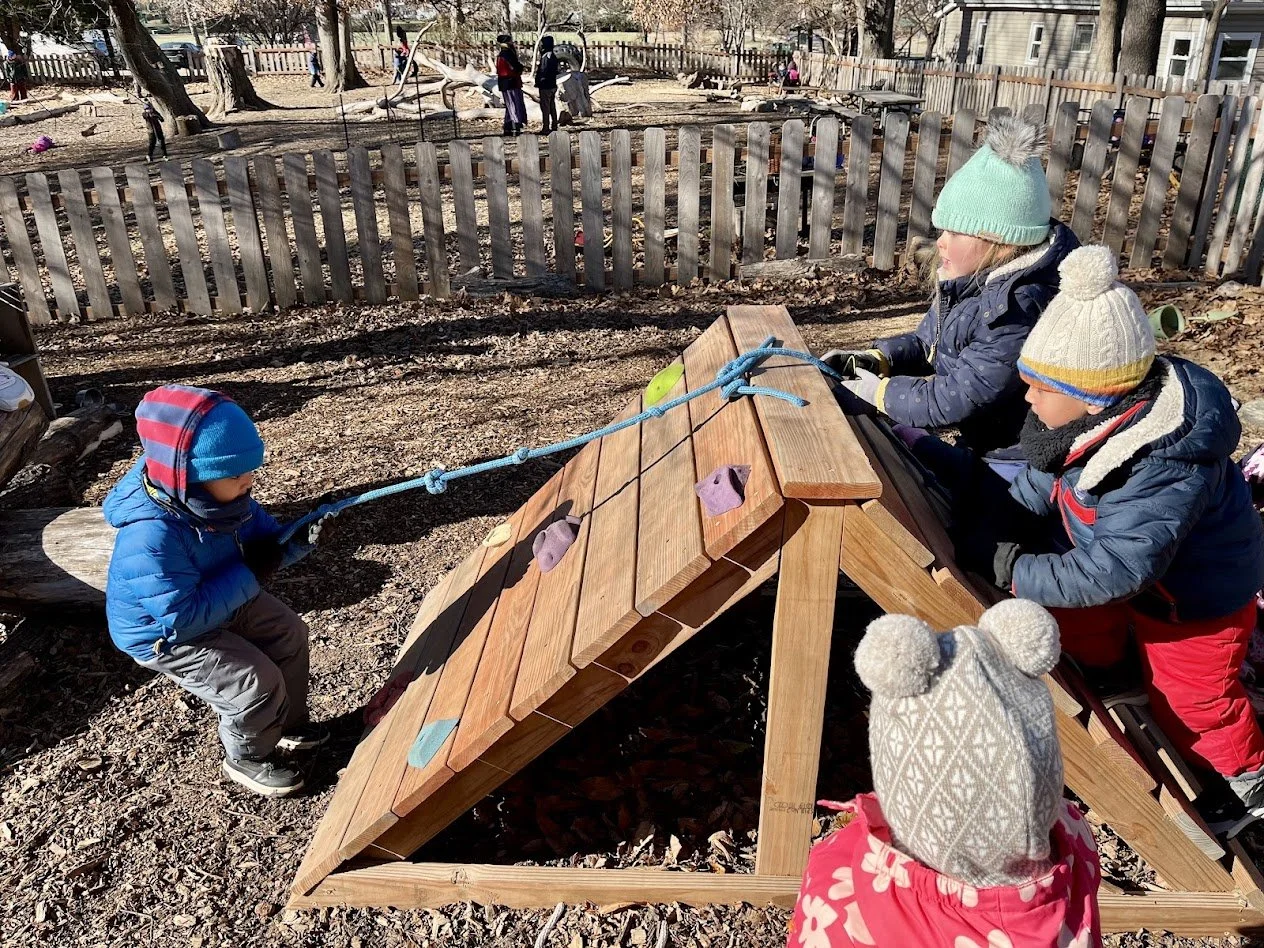
Holding a pen is a task so common in adulthood that it can be hard to remember that learning to write can be a physical challenge—not just a cognitive one! In first grade, students need hand-eye coordination and nimble fingers to grip a pen or pencil, as well as to play the flute, knit, and zip up their pencil case. To participate fully in classroom activities, they need to balance, to be able to sit still at a desk, and to hop, skip, and run.
As part of our school’s commitment to holistic education, teachers at the Waldorf School of St. Louis are deeply attuned to the importance of physical health and development in preschool and kindergarten. Carefully selected teacher-guided activities like walking on balance beams, skipping and hopping during circle time, or sculpting with beeswax promote both fine and gross motor skills in children. Many of these activities are specifically chosen to stimulate mind-body integration that students will need in first grade, such as crossing the midline or building finger sense.
And it’s no surprise that children develop their physical capacities through unstructured indoor and outdoor play, which not only promotes healthy movement but gives children an opportunity to test limits, take risks, and push their physical boundaries in an age-appropriate way.
Executive Function Skills
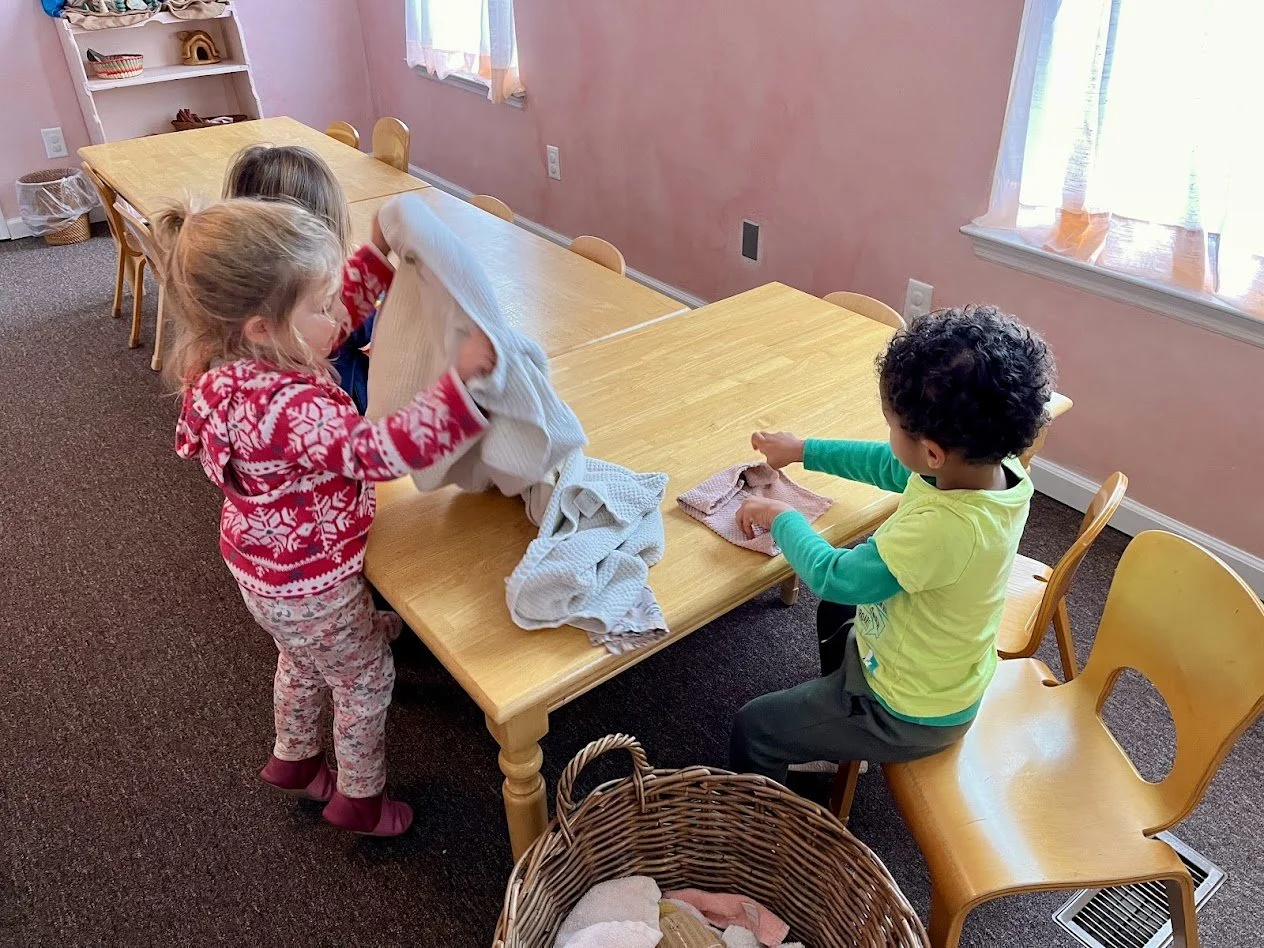
As playtime comes to a close, preschoolers sing a clean-up song as they place dolls in their cradles and blocks in the baskets. When it’s time to go outdoors, children zip up their winter jackets and look for warm hats in their cubbies. When snack time ends, students carry their plates to the dish-washing station, joining their classmates in clearing the table. Prospective parents are often surprised to see how easily children at the Waldorf School of St. Louis learn to follow the daily rhythm, comfortably completing chores and following instructions from their teacher.
Building focus and executive function skills is a key objective of our early childhood programs. To be successful in a classroom setting, children need basic executive functioning skills and working memory, or a mental “scratchpad” that allows them to remember and repeat activities. These skills support problem solving, which in turn supports the development of math skills. Cognitive science has even found a strong correlation between executive function skills and mathematical achievement.
How do we reinforce executive function skills in early childhood? Through consistent daily routines that help reinforce cognitive connections and working memory, making it easier for children to follow through with tasks and build their executive functioning skills. In kindergarten, teachers also lead children in activities that enhance their ability to listen and recall, like memory games, preparing them for more formal learning in first grade. Story time also teaches children to maintain focus and quiet, an important step in self-regulation, which will eventually make our students more effective learners.
Building Confident, Curious Learners, One Block at a Time
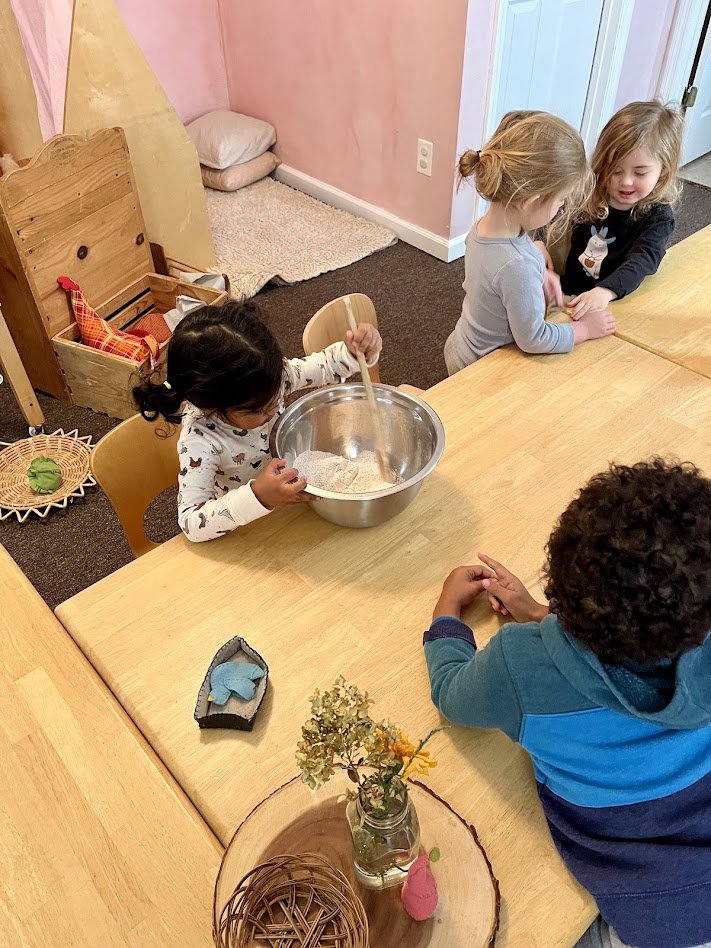
From the predictable daily rhythm to our language-rich classrooms, early childhood programs at the Waldorf School of St. Louis naturally encourage each student’s cognitive, emotional, social, and physical development. Here, we know that taking the time to build foundational skills—and providing challenges that are appropriate for a child’s age and stage of development—leads to confident learners over the long term.
Learn more about what we do on a tour of the Waldorf School of St. Louis.